Hair shedding is a normal part of the hair growth cycle, but sudden or noticeably increased hair loss in women can be concerning. Finding more hair than usual on your pillow, comb, shower drain, or clothes may indicate that something has changed in your body or scalp.
Sudden hair loss can have many possible causes, including stress, nutritional deficiencies, hormonal changes, illness, scalp conditions, or certain medications. Identifying the underlying cause is important because the right approach depends on why the hair loss is happening.
If you are experiencing persistent or sudden hair fall, a dermatologist can evaluate your scalp, medical history, lifestyle, and other symptoms to determine the most appropriate treatment approach.
What Is Considered Sudden Hair Loss?
Everyone naturally loses some hair every day. However, you may notice a problem when hair shedding suddenly becomes much heavier than usual or when your hair begins to look thinner.
Some common signs include:
- Increased hair shedding while washing or brushing
- Noticeably more hair on your pillow or clothes
- Widening of the hair parting
- Reduced hair volume or thinner ponytail
- Hair becoming thinner around the crown
- Visible scalp in areas where it was previously covered
- Small patches of hair loss
- Increased breakage or changes in hair texture
The pattern and duration of hair loss can provide important clues about its possible cause.
Common Causes of Sudden Hair Loss in Women
1. Physical or Emotional Stress
Significant stress can affect the normal hair growth cycle. Hair shedding may increase weeks or months after a stressful period such as prolonged work pressure, emotional distress, major lifestyle changes, or lack of adequate rest.
In some cases, hair shedding may improve once the underlying trigger is addressed.
2. Hormonal Changes
Hormonal fluctuations can influence hair growth. Hair loss may occur around periods of pregnancy, after childbirth, during menopause, or with certain hormonal conditions.
Some women may also notice changes in hair growth along with irregular periods, acne, unwanted facial hair, or changes in body weight. These symptoms should be discussed with a healthcare professional.
3. Nutritional Deficiencies
Hair growth requires adequate nutrition. Insufficient levels of certain nutrients may contribute to increased hair shedding in some individuals.
Restrictive diets, poor appetite, rapid weight loss, or nutritional deficiencies may therefore be relevant when evaluating unexplained hair loss.
However, supplements should not be taken randomly. It is better to identify whether a deficiency is actually present before starting supplementation.
4. Illness, Fever or Major Health Events
Hair shedding can sometimes increase after a significant illness, high fever, surgery, or another major physical stress on the body.
The increased shedding may not happen immediately. Some women notice it several weeks or months after the triggering event.
5. Scalp Conditions
Problems affecting the scalp can also contribute to hair loss. Persistent dandruff, inflammation, itching, scaling, infections, or other scalp disorders may affect hair health.
If hair loss is accompanied by scalp symptoms, professional evaluation can help determine the underlying problem.
6. Certain Medicines
Some medicines can contribute to hair shedding as a side effect. If you have noticed increased hair loss after starting a new medicine, do not stop the medicine on your own.
Instead, discuss the change with the doctor who prescribed it.
When Should You See a Dermatologist for Hair Loss?
Occasional shedding does not always require medical treatment. However, it is worth consulting a dermatologist when hair loss is:
- Sudden or significantly heavier than usual
- Continuing for several weeks
- Causing visible thinning
- Associated with bald patches
- Accompanied by scalp itching, redness, scaling, or pain
- Associated with changes in eyebrows or other body hair
- Occurring along with hormonal or menstrual changes
- Affecting your confidence or daily life
Early evaluation can help identify possible triggers and prevent you from spending time on unsuitable home remedies or unnecessary products.
How Is Sudden Hair Loss Evaluated?
A dermatologist may begin by understanding when the hair loss started, how quickly it progressed, and whether there were any recent changes in your health, diet, stress levels, medications, or lifestyle.
The scalp and hair pattern may also be examined to understand whether the problem involves excessive shedding, hair thinning, breakage, or another type of hair loss.
Depending on the individual case, the doctor may recommend appropriate investigations to identify possible underlying factors.
The goal is not simply to reduce hair shedding but to understand why the hair is falling and what can be done about it.
Can Sudden Hair Loss Be Treated?
In many cases, hair loss can be managed when the underlying cause is identified.
Treatment depends on the individual’s condition and may involve addressing nutritional concerns, managing an underlying scalp problem, treating hormonal or other contributing factors, or using suitable hair-growth treatments where appropriate.
There is no single treatment that works for every woman. A personalised evaluation is therefore more useful than choosing a treatment based only on advertisements or online recommendations.
For more information about hair loss concerns, explore our Hair Fall/Loss Treatment in Agra page.
What Can You Do to Support Healthier Hair?
While the cause of hair loss needs to be addressed, healthy everyday habits can support overall hair and scalp health.
Consider:
- Eating a balanced diet with adequate protein and nutrients
- Avoiding crash diets and extreme weight-loss plans
- Managing prolonged stress where possible
- Avoiding excessive heat styling
- Limiting frequent chemical treatments when your hair is already fragile
- Avoiding very tight hairstyles that constantly pull on the hair
- Treating persistent scalp problems instead of ignoring them
- Following professional advice rather than taking supplements unnecessarily
Remember that hair improvement takes time. The hair growth cycle is gradual, so meaningful changes may not happen overnight.
Why Choose Dr. Ishita Raka Pandit for Hair Concerns in Agra?
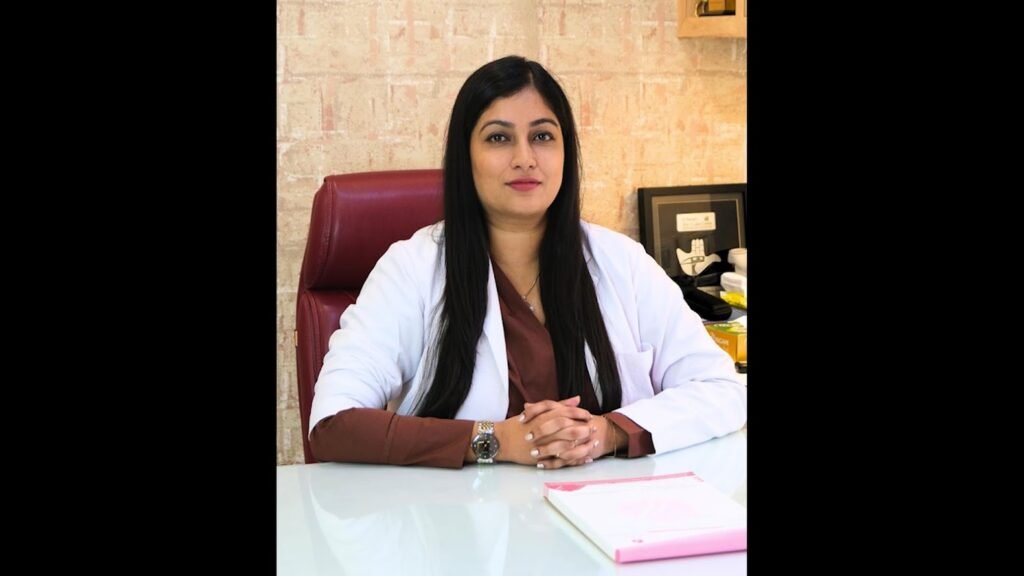
Dr. Ishita Raka Pandit is a dermatologist, aesthetic dermatologist, dermatosurgeon, and trichologist at Divine Skin Clinic, Agra. She has over 11 years of experience in dermatology and aesthetic medicine.
Hair loss evaluation at the clinic focuses on understanding the individual’s concern and developing a treatment plan according to the underlying cause, hair condition, and treatment goals.
If you are experiencing unexplained or persistent hair loss, professional evaluation can help you understand what may be contributing to the problem.
Frequently Asked Questions
Is sudden hair loss in women normal?
Some temporary increases in hair shedding can occur after stress, illness, hormonal changes, or other triggers. However, sudden or persistent hair loss should not be ignored, particularly when there is visible thinning or patchy hair loss.
How much hair loss is normal every day?
Some daily hair shedding is normal as part of the natural hair growth cycle. The amount can vary between individuals. A noticeable change from your usual pattern is often more important than counting individual hairs.
Can stress cause sudden hair loss?
Yes, significant physical or emotional stress can contribute to increased hair shedding. The shedding may become noticeable weeks or months after the stressful event.
Does hair grow back after sudden hair loss?
Hair regrowth depends on the underlying cause. Some forms of temporary shedding may improve once the trigger is addressed, while other types of hair loss require specific medical management.
Should women take supplements for hair fall?
Not necessarily. Supplements are most useful when a genuine nutritional deficiency or another appropriate indication is identified. Taking supplements without understanding the cause of hair loss may not solve the problem.
When should I see a dermatologist for hair loss?
Consider seeing a dermatologist if hair loss is sudden, persistent, visibly worsening, associated with bald patches or scalp symptoms, or occurring alongside other hormonal or health changes.
Can hair fall be completely stopped?
There is no universal treatment that can completely stop hair shedding in every person. The most effective approach is to identify the underlying cause and manage it appropriately.
Take the First Step Towards Understanding Your Hair Loss
Sudden hair loss can have several possible causes, and identifying the right one is the first step towards appropriate care. Avoid relying only on home remedies or randomly selected hair products when shedding is persistent or worsening.
If you are experiencing sudden hair loss in women, hair thinning, or persistent hair fall in Agra, consult a qualified dermatologist for an individual evaluation.
Dr. Ishita’s Divine Skin Clinic, Agra provides personalised dermatology and hair-care consultations based on the individual’s concerns and needs.
Related Pages to Internally Link:
https://divineskinclinicagra.com
https://divineskinclinicagra.com/blog
https://divineskinclinicagra.com/contact-divineskin-agra.html