Choosing the right professional for your skin concerns can be confusing. You may search for a skin specialist in Agra when dealing with acne, pigmentation, hair fall, or skin allergies. However, you may also come across dermatologists and cosmetologists offering different types of skin and beauty services.
Although these terms are sometimes used interchangeably, they do not always mean the same thing. Understanding the difference can help you choose appropriate care for your skin, hair, and cosmetic concerns.
If you are looking for a skin specialist in Agra, this guide explains what each professional does, when to consult them, and what to check before booking an appointment at a clinic.
What Is the Difference Between a Skin Specialist, Dermatologist, and Cosmetologist?
The main difference is their training, professional qualifications, and scope of practice.
- Skin specialist: A commonly used term for a professional who treats skin conditions. It is often used to describe a dermatologist, so you should check the person’s actual qualifications.
- Dermatologist: A medical doctor with specialised training in diagnosing and treating diseases of the skin, hair, and nails.
- Cosmetologist: A professional who focuses on beauty, cosmetic care, and appearance-related services. Training and permitted services vary, and the title alone does not establish medical qualifications.
For medical skin problems, a qualified dermatologist is generally the appropriate starting point. For routine beauty services, a suitably trained beauty professional may be sufficient. Cosmetic procedures that involve medical risks should be assessed and performed by appropriately qualified professionals.
1. What Does a Skin Specialist Do?
The term skin specialist is commonly used by people searching online for help with skin problems. However, it is not always a precise description of a person’s qualifications.
In many cases, people use this term when looking for a dermatologist who can assess symptoms, identify skin conditions, and recommend suitable treatment.
You may need a medical skin specialist if you experience:
- Persistent pimples, acne, or acne scars
- Dark spots, melasma, or uneven skin tone
- Repeated skin allergies, itching, or rashes
- Unusual changes in moles or skin growths
- Persistent dryness, redness, or irritation
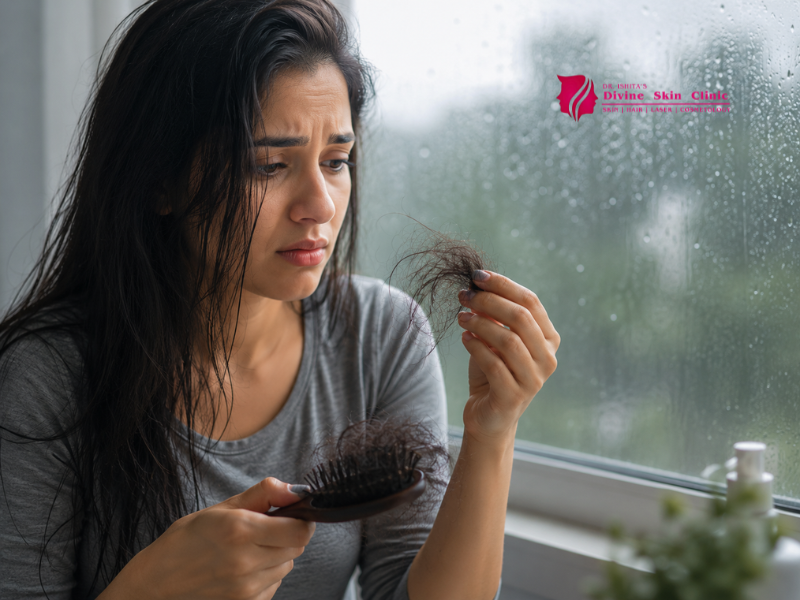
- Hair thinning, excessive hair fall, or scalp problems
Before booking, check whether the professional is a qualified medical doctor with appropriate dermatology training. This is especially important if you need treatment for a medical condition rather than general skincare advice.
2. What Does a Dermatologist Do?
A dermatologist is a medical doctor trained to diagnose and manage conditions affecting the skin, hair, and nails. Dermatology includes medical skin care as well as certain surgical and cosmetic treatments.
Unlike general beauty services, dermatological care begins with understanding the cause of the problem.
When should you see a dermatologist?
Consider consulting a dermatologist if you have:
Acne and acne scars: Persistent breakouts, painful pimples, or marks left after acne may require professional evaluation.
Pigmentation and melasma: Dark patches can have several causes. A dermatologist can assess the pattern and recommend appropriate treatment.
Skin allergies: Recurring itching, redness, swelling, or rashes may need medical evaluation to identify possible triggers.
Hair and scalp problems: Hair loss, scalp inflammation, and persistent dandruff-like symptoms may require an examination to determine the cause.
Changes in skin growths: A new or changing mole or lesion should be medically assessed, particularly if it changes in size, shape, or colour, or begins bleeding.
A dermatologist may recommend medicines, skincare products, lifestyle guidance, or selected procedures depending on the diagnosis. Not every skin concern requires laser treatment or a cosmetic procedure.
3. What Does a Cosmetologist Do?
A cosmetologist generally focuses on beauty, appearance, and cosmetic care. Depending on their training, services may include basic skincare, makeup, facials, and other non-medical beauty treatments.
The important point is that cosmetologist is not automatically the same as dermatologist. Some professionals working in aesthetic medicine are qualified doctors with additional cosmetic training, while others have beauty-related qualifications.
You should therefore check the individual’s credentials rather than relying only on the title used in advertisements.
When is a cosmetologist suitable?
A suitably trained beauty professional may be appropriate for routine services such as:
- Makeup and beauty consultations
- Basic cosmetic skincare
- Non-medical facial treatments within their training
- Advice on cosmetic products and beauty routines
If you have painful acne, an unexplained rash, a suspected infection, persistent pigmentation, or unusual skin changes, consult a qualified medical professional instead of relying on a beauty treatment.
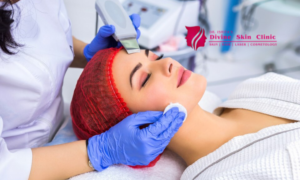
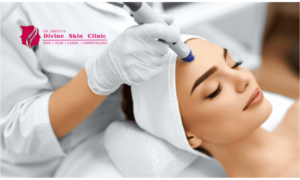
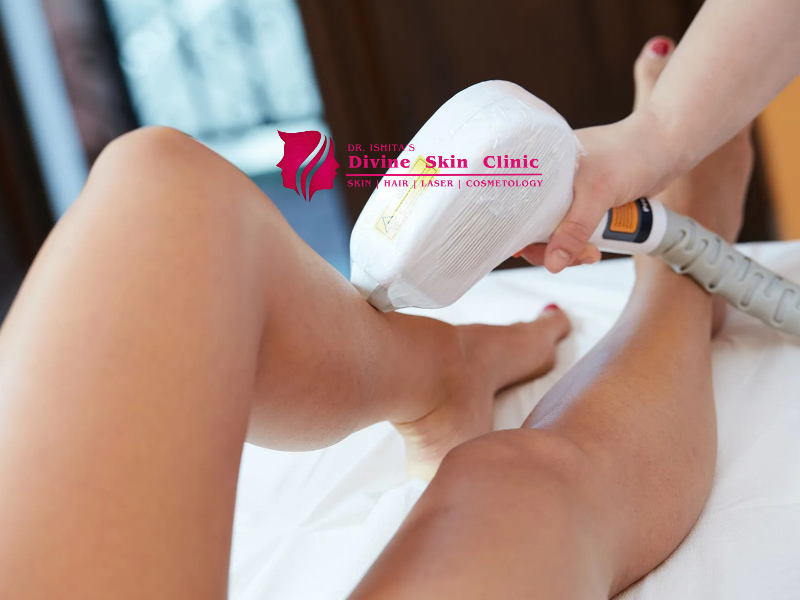
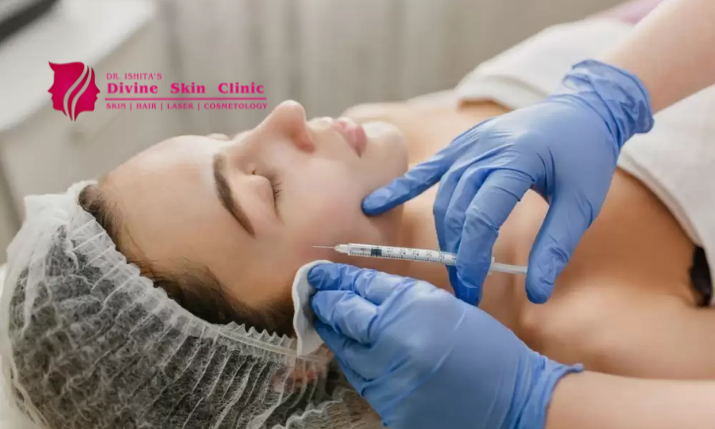
Procedures such as chemical peels, lasers, injectables, and other treatments with medical risks require careful assessment and appropriately qualified practitioners. Do not assume that every provider advertising these services has the same training.
Skin Specialist vs Dermatologist vs Cosmetologist: Comparison
| Feature | Skin specialist | Dermatologist | Cosmetologist |
|---|---|---|---|
| Meaning | Broad, commonly used term | Medical specialist | Beauty and cosmetic-care professional |
| Medical diagnosis | Depends on qualifications | Trained to diagnose skin conditions | Not established by the title alone |
| Acne and skin disease treatment | Verify credentials | Within dermatology practice | Not a substitute for medical care |
| Beauty services | Depends on services and training | May offer appropriate aesthetic treatments | Often a central focus |
| Best starting point | Confirm qualifications first | Medical skin, hair, and nail concerns | Routine beauty care within training |
The terms can overlap in everyday use, so professional qualifications and the services being offered matter more than the label alone.
4. Which Professional Should You Choose in Agra?
The right choice depends on your symptoms and what you want to achieve.
- For acne, pigmentation, or skin allergies: Start with a qualified dermatologist.
- For unexplained hair fall or scalp problems: A dermatologist can assess possible causes and recommend appropriate care.
- For routine makeup or beauty services: A trained cosmetologist may be suitable.
- For laser treatment or other aesthetic procedures: Seek an assessment from a suitably qualified medical professional who can explain the risks and benefits.
- For a changing mole or persistent skin lesion: Arrange a medical evaluation rather than trying a cosmetic treatment first.
If you are unsure which service you need, explain your symptoms to the clinic when booking. The staff may help you understand which type of appointment to enquire about.
5. How to Choose a Skin Specialist in Agra
Before booking an appointment, consider these five factors.
Check qualifications and experience
Review the doctor’s medical qualifications, dermatology training, and relevant experience. Do not assume that every person advertising skin treatments is a dermatologist.
Look for care suited to your concern
Choose a professional who regularly manages the type of problem you have. Acne, hair loss, pigmentation, and skin allergies can require different approaches.
Ask about treatment options
A good consultation should explain the likely cause, available treatments, possible side effects, and realistic expectations. Be cautious of guaranteed results or pressure to buy expensive packages.
Understand the costs
Ask about consultation fees, estimated treatment costs, follow-up appointments, and any additional sessions before starting a procedure.
Check the location and booking process
Confirm the clinic’s address, appointment availability, and contact information. Clear instructions and follow-up guidance can make it easier to continue your care.
Why Consider Divine Skin Clinic in Agra?
Divine Skin Clinic, Agra, provides dermatology and aesthetic care through Dr. Ishita Raka Pandit. If you are considering a consultation for acne, pigmentation, hair concerns, or other skin issues, you can contact the clinic to enquire about the services relevant to your needs.
Before beginning treatment, discuss your symptoms, previous skincare routine, medical history, and expectations with the doctor. This information can help guide an appropriate assessment and treatment plan.
Clinic details
- Doctor: Dr. Ishita Raka Pandit
- Address: 13/14, IIIrd Floor, Shanti Madhuban Plaza, Delhi Gate Road, adjacent to Pushpanjali Hospital, Agra, Uttar Pradesh 282002
- Phone: +91 82871 39498
- Email: drishitadivineskinclinic@gmail.com
- Website: https://divineskinclinicagra.com/
- Contact : https://divineskinclinicagra.com/contact-divineskin-agra.html
Frequently Asked Questions
1. What is the difference between a skin specialist and a dermatologist?
A skin specialist is a general term often used to describe someone who treats skin problems. A dermatologist is a medical doctor with specialised training in diagnosing and managing conditions affecting the skin, hair, and nails. Always verify the professional’s qualifications.
2. Is a dermatologist better than a cosmetologist for acne?
For persistent, painful, or severe acne, a qualified dermatologist is generally the appropriate choice because acne is a medical skin condition. A cosmetologist may provide routine beauty services but should not replace medical diagnosis and treatment.
3. Should I visit a dermatologist for pigmentation?
Yes, if pigmentation is persistent, worsening, or unexplained. A dermatologist can assess possible causes, such as melasma or marks left by inflammation, and recommend suitable treatment based on your skin.
4. Can a cosmetologist perform laser skin treatments?
The answer depends on the person’s qualifications, applicable regulations, the procedure, and the setting. Do not assume that a cosmetology title alone authorises someone to perform medical procedures. Verify the provider’s credentials and ask who will assess and perform the treatment.
5. How can I find a qualified skin specialist in Agra?
Check medical qualifications, dermatology training, relevant experience, patient feedback, and the clinic’s consultation process. For medical skin conditions, consider a qualified dermatologist and ask about the diagnosis, treatment options, risks, and costs before proceeding.
Book a Skin Consultation at Divine Skin Clinic, Agra
Choosing the right professional is the first step towards safer and more informed skin care. A qualified dermatologist can help you understand persistent skin or hair concerns, while a suitably trained beauty professional may be appropriate for routine non-medical services.
If you are searching for a skin specialist in Agra and need guidance about acne, pigmentation, skin allergies, or hair concerns, contact Divine Skin Clinic to enquire about an appointment with Dr. Ishita Raka Pandit.
Call +91 82871 39498 to enquire about your consultation, or visit Divine Skin Clinic’s website to learn more about the clinic and its services.