Hair loss is common, but persistent shedding, visible thinning, a widening hair part, receding hairline, or bald patches may indicate an underlying condition that needs attention. If you are looking for hair loss treatment in Agra, the first step is not choosing a hair-growth product—it is finding out why the hair is falling.
Hair loss can be linked to genetics, hormonal changes, nutritional deficiencies, stress, illness, scalp conditions, medications, or certain hair-care practices. Because the causes are different, treatment also needs to be personalised.
At Divine Skin Clinic, Agra, hair and scalp concerns are evaluated individually to help identify the possible cause and choose an appropriate treatment approach.
What Is Hair Loss?
Hair naturally goes through a cycle of growth, resting, and shedding. Losing some hair every day is normal. The American Academy of Dermatology notes that people can normally shed around 50–100 hairs per day. The concern arises when shedding becomes excessive or when new growth does not adequately replace lost hair.
Hair loss can appear in different ways, including:
- Increased hair shedding while washing or combing
- Gradual thinning of the scalp
- A widening centre part
- A receding hairline
- Reduced hair volume
- Visible scalp
- Small or large bald patches
- Thinning around the crown
The pattern and speed of hair loss can provide useful clues about its cause.
What Causes Hair Loss?
There is no single cause of hair fall. Some people have one contributing factor, while others may have several.
Hereditary Hair Loss
Genetic or hereditary hair loss is one of the most common causes. In men, it may appear as a receding hairline or thinning around the crown. In women, it often appears as overall thinning or a widening part.
Stress and Major Physical Changes
Significant physical or emotional stress can affect the hair growth cycle. Increased shedding may occur after a major illness, surgery, high fever, substantial weight loss, or another physical stress. Hair shedding can also occur after childbirth.
Hormonal Changes
Hormonal changes can contribute to hair loss. Pregnancy, childbirth, menopause, thyroid problems, and certain hormonal conditions may affect hair growth. In some women, hair loss may occur alongside other symptoms such as irregular periods or changes in body hair.
Nutritional Problems
Hair growth requires adequate nutrition. Restrictive diets, rapid weight loss, or certain nutritional deficiencies may contribute to increased hair shedding in some people.
However, taking supplements without identifying an actual deficiency may not address the underlying problem.
Scalp Conditions
Certain scalp infections and inflammatory conditions can cause hair loss. Some conditions may require treatment to prevent further damage to the hair follicles.
Tight Hairstyles and Hair Damage
Repeatedly pulling the hair into very tight hairstyles can cause traction-related hair loss. Excessive heat, harsh chemical treatments, and aggressive handling can also contribute to hair breakage and damage.
How Is Hair Loss Diagnosed?
A proper diagnosis is an important part of hair loss treatment in Agra or anywhere else.
A dermatologist may ask about:
- When the hair loss started
- Whether it developed suddenly or gradually
- Your family history
- Recent illness, stress, or weight changes
- Diet and lifestyle
- Hair-care practices
- Current medications and supplements
- Hormonal or other health changes
The dermatologist may also examine the scalp and hair closely. A hair-pull test can provide information about active shedding. Depending on the symptoms, blood tests or other investigations may be recommended to look for conditions such as nutritional deficiencies, hormonal problems, or other medical causes.
The important point is that there is no single hair loss treatment that works for everyone. Treatment should be based on the underlying cause and type of hair loss.
What Are the Treatment Options for Hair Loss?
Treatment varies according to the diagnosis. A dermatologist may recommend one treatment or a combination of approaches.
Medical Treatment
For certain types of hereditary hair loss, medicines such as topical minoxidil may help slow hair loss and support regrowth. Results take time, and continued use is generally required to maintain the benefit.
Prescription medicines may also be considered for selected patients. For example, finasteride is used for male pattern hair loss, while other prescription options may be considered for certain women with hereditary hair loss. These medicines are not suitable for everyone and should be used only under appropriate medical guidance.
PRP Hair Treatment
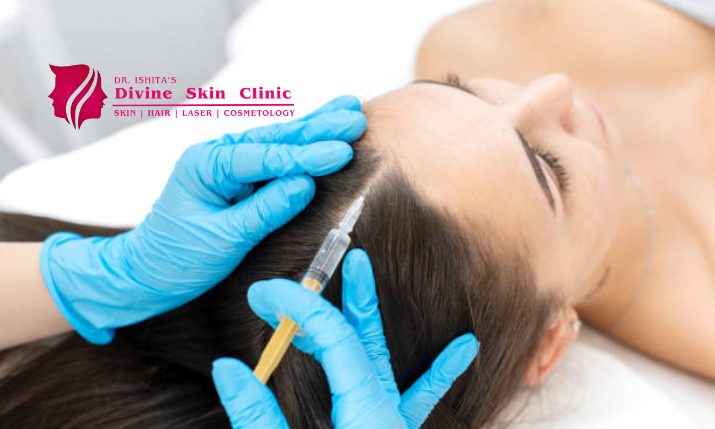
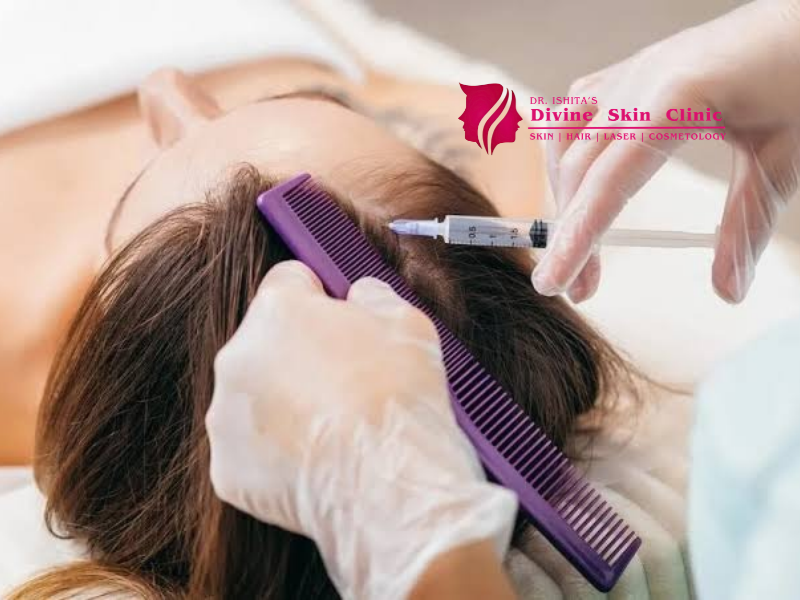
Platelet-rich plasma, or PRP, is another treatment option that may be considered for selected patients with hair thinning or certain types of hair loss.
PRP uses a sample of the patient’s own blood, which is processed to concentrate platelets before being injected into selected areas of the scalp. At Divine Skin Clinic, PRP is presented as one of the options that may be considered after assessing the patient’s hair-loss pattern and scalp condition.
PRP is not appropriate for every cause or stage of hair loss, so diagnosis should come before treatment selection.
Treatment of the Underlying Cause
If hair loss is related to an underlying health condition, nutritional issue, scalp disorder, medication, or hormonal factor, addressing that problem may be an important part of treatment.
This is why simply changing shampoos or taking random supplements may not solve persistent hair loss.
Hair and Scalp Care
Professional treatment can be supported by healthy daily habits. These may include gentle hair handling, avoiding excessive heat and chemical treatments, maintaining a balanced diet, avoiding very tight hairstyles, and keeping the scalp clean.
If you experience persistent hair fall, these habits should complement—not replace—professional evaluation.
When Should You See a Dermatologist for Hair Loss?
You should consider a dermatology consultation if:
- Hair fall continues for several weeks
- Your hair is becoming noticeably thinner
- Your scalp is becoming more visible
- Your hair part is widening
- You notice bald patches
- Hair loss starts suddenly
- You have scalp itching, redness, scaling, or pain
- Hair loss occurs with other hormonal or health changes
- Home care has not improved the problem
Sudden or patchy hair loss can sometimes indicate an underlying condition, so timely assessment is important.
Can Hair Loss Be Completely Reversed?
It depends on the cause.
Some types of hair shedding can improve when the underlying trigger is addressed. Other forms, particularly some hereditary or scarring types of hair loss, may require long-term management.
Starting appropriate treatment earlier can be helpful because some forms of hair loss become more difficult to manage as they progress.
There is also no treatment that can guarantee complete regrowth for every person. A dermatologist can explain what level of improvement may realistically be expected after assessing your condition.
How Can You Support Healthy Hair Growth?
Along with professional treatment, simple habits can support overall hair and scalp health:
- Eat a balanced diet with adequate protein and nutrients.
- Avoid crash diets and extreme weight loss.
- Handle wet hair gently.
- Avoid unnecessarily tight hairstyles.
- Limit excessive heat styling.
- Avoid frequent harsh chemical treatments.
- Manage ongoing stress where possible.
- Get adequate sleep.
- Do not take hair supplements without appropriate medical advice.
If you want to understand the difference between normal shedding and reduced hair density, read our guide on Hair Thinning vs Hair Fall in Agra.
Frequently Asked Questions
1. What is the most common cause of hair loss?
Hereditary hair loss is one of the most common causes. However, hair loss can also result from hormonal changes, stress, illness, nutritional problems, scalp conditions, medications, and other factors.
2. Is losing hair every day normal?
Yes. Some daily shedding is part of the normal hair-growth cycle. The American Academy of Dermatology notes that losing around 50–100 hairs a day can be normal. Persistent excessive shedding or visible thinning should be evaluated.
3. What is the best treatment for hair loss?
There is no single best treatment for everyone. The appropriate option depends on the cause, type, duration, scalp condition, and individual health factors. Treatments may include medical therapy, addressing an underlying condition, or procedures such as PRP for selected patients.
4. Can PRP help with hair loss?
PRP may be considered for certain types of hair thinning and hair loss. Its suitability depends on the individual’s diagnosis, stage of hair loss, and condition of the hair follicles. A dermatologist should assess the scalp before recommending PRP.
5. When should I visit a dermatologist for hair fall?
You should consider a consultation if hair fall is persistent, suddenly increases, causes visible thinning, produces bald patches, or occurs with other scalp or health symptoms. Early evaluation can help identify the cause and guide appropriate treatment.
Hair Loss Treatment in Agra at Divine Skin Clinic
Persistent hair fall should not be treated only as a cosmetic concern. Understanding why your hair is falling is the first step toward choosing an appropriate treatment.
At Divine Skin Clinic, Agra, Dr. Ishita Raka Pandit provides personalised care for hair and scalp concerns, with evaluation focused on the individual’s hair-loss pattern, scalp condition, and treatment needs. The clinic’s published information includes hair-loss care, scalp evaluation, hair restoration procedures, and PRP among its hair-care services.
Take the First Step Towards Healthier Hair
If you are experiencing persistent hair fall, thinning hair, a widening hair part, or bald patches, don’t keep switching between products without knowing the cause.
Book a consultation at Divine Skin Clinic in Agra to get your hair and scalp evaluated and understand which treatment approach may be suitable for you.
Explore the clinic’s Hair Loss Treatment in Agra guide or visit Divine Skin Clinic to take the next step toward personalised hair care.
+918287139498
drishitadivineskinclinic@gmail.com
13/14, IIIrd Floor, Shanti Madhuban Plaza, Delhi Gate Rd, adjacent to Pushpanjali Hospital, Agra, Uttar Pradesh 282002