Pimples may disappear after a few days or weeks, but the dark marks they leave behind can remain on the skin for months. These marks are a common concern, especially for people who experience frequent acne breakouts. They can make the skin look uneven and affect overall skin confidence.
The good news is that dark marks after pimples can often be reduced with the right skincare routine and dermatologist-recommended treatments. However, choosing the correct treatment is important because acne pigmentation and acne scars are two different skin concerns.
If you are struggling with acne pigmentation, understanding its causes, prevention methods, and treatment options can help you achieve a more even-looking skin tone safely.
What Causes Dark Marks After Pimples?
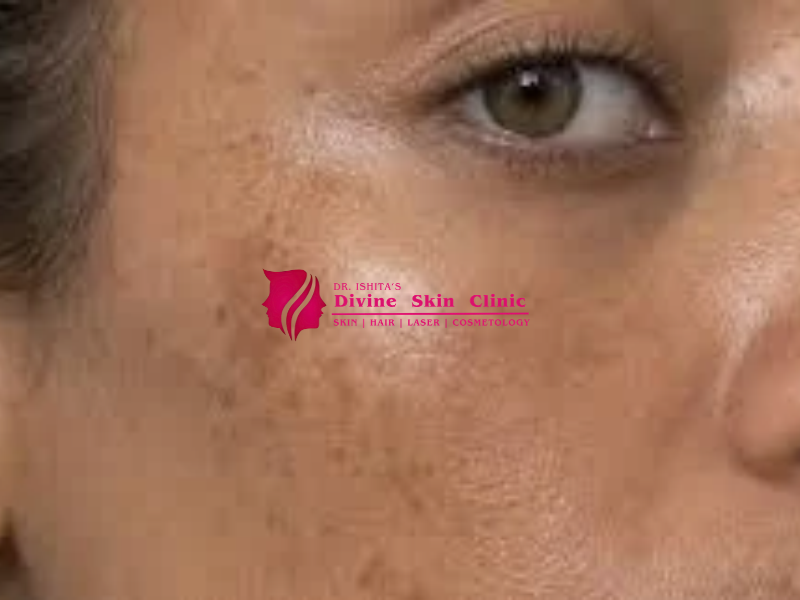
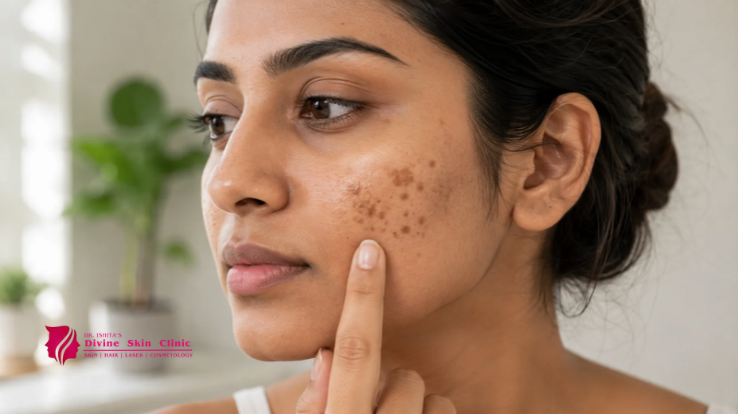
Dark marks that appear after pimples are commonly known as post-inflammatory hyperpigmentation (PIH). They develop when inflammation caused by acne triggers excess melanin production in the affected area.
Melanin is the natural pigment responsible for skin colour. When the skin produces extra melanin during the healing process, brown, dark brown, or black marks may appear where the pimples were previously present.
These marks are more common in people with medium to darker skin tones.
Some common reasons for acne pigmentation include:
- Inflammation: Red, swollen, or painful pimples can trigger pigmentation during healing.
- Picking or squeezing pimples: Touching or squeezing acne can increase inflammation and make dark marks more noticeable.
- Sun exposure: UV rays can darken existing pigmentation and slow down its improvement.
- Delayed acne treatment: Frequent breakouts can cause repeated inflammation and new pigmentation.
- Harsh skincare products: Strong exfoliants and irritating products may worsen skin inflammation.
Understanding these causes is the first step towards preventing new marks.
How to Identify Acne Pigmentation vs Acne Scars?
Not every mark left by acne is the same. Identifying the difference helps determine the most suitable treatment.
Acne pigmentation usually appears as flat brown, dark brown, or reddish marks. The skin surface remains smooth, even though the colour may look uneven.
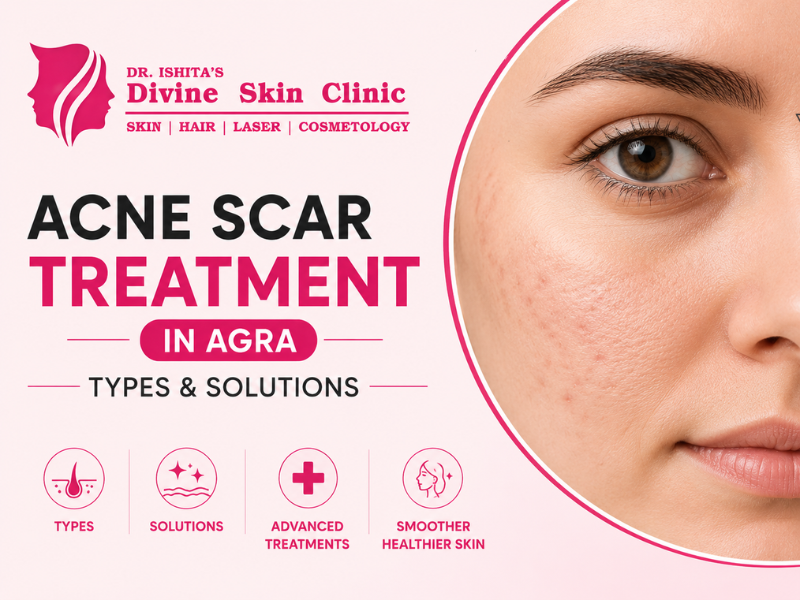
Acne scars involve changes in skin texture. They may appear as small holes, depressed areas, or raised marks.
Pigmentation mainly requires treatments that reduce excess melanin, while depressed or raised scars may need procedures that improve skin texture.
A dermatologist can examine your skin and recommend the right approach.
How to Fade Dark Marks After Pimples Safely
The best way to reduce acne pigmentation is to follow a consistent skincare routine. Avoid expecting overnight results because pigmentation usually takes time to improve.
1. Apply Sunscreen Every Day
Sunscreen is one of the most important steps in treating dark marks after pimples. Sun exposure can make existing pigmentation darker and increase the chances of developing new marks.
Choose a broad-spectrum sunscreen with SPF 30 or higher. If you have oily or acne-prone skin, look for a non-comedogenic formula that does not clog pores.
Apply sunscreen every morning, including cloudy days. Reapply every two hours when spending time outdoors, and after swimming or excessive sweating.
2. Use Azelaic Acid for Acne Pigmentation
Azelaic acid is a useful skincare ingredient for people dealing with both acne and dark marks.
It helps reduce inflammation, control acne-causing processes, and improve uneven skin tone. It can also help prevent some new breakouts.
However, the right concentration and frequency depend on your skin type. Introduce it carefully and seek dermatological advice if you experience irritation.
3. Include Vitamin C in Your Skincare Routine
Vitamin C is an antioxidant that helps protect the skin from environmental damage. It may also help improve the appearance of uneven skin tone and pigmentation.
A suitable vitamin C serum can be included in a morning skincare routine alongside moisturiser and sunscreen.
Choose a product that suits your skin sensitivity rather than using highly concentrated products without guidance.
4. Consider Retinoids Under Dermatologist Guidance
Retinoids help improve skin cell turnover and are commonly used in acne treatment. Certain retinoids can also help reduce post-acne pigmentation over time.
However, they may cause dryness, redness, peeling, or irritation, particularly when introduced too quickly.
They are not suitable for everyone. Topical retinoids should generally be avoided during pregnancy, and anyone pregnant or planning pregnancy should consult a dermatologist before using acne treatments.
5. Avoid Picking or Scrubbing Your Skin
One of the easiest ways to prevent new acne marks is to stop squeezing pimples.
Picking acne can increase inflammation and damage the skin, making pigmentation more noticeable. Similarly, harsh scrubs, lemon juice, toothpaste, and unverified skin-lightening remedies can irritate the skin.
Use a gentle cleanser, a suitable moisturiser, and dermatologist-recommended skincare products.
Professional Treatments for Dark Marks After Pimples
Sometimes, home skincare is not enough to improve stubborn acne pigmentation. In such cases, professional treatments may help, depending on the depth of pigmentation, skin type, and acne history.
At Dr. Ishita’s Divine Skin Clinic, Agra, different dermatological approaches are available for acne and pigmentation concerns.
Chemical Peels
Chemical peels use selected exfoliating agents to remove damaged surface skin cells and encourage skin renewal.
Depending on the skin condition, a dermatologist may recommend glycolic acid, salicylic acid, or other suitable peels.
They may help improve uneven skin tone, superficial pigmentation, and acne-related skin concerns. The type and strength of the peel should be selected carefully to reduce the risk of irritation or further pigmentation.
Pigmentation Laser Treatment
Certain laser treatments target excess pigment in the skin. They may be considered for selected cases of stubborn pigmentation that do not respond sufficiently to topical treatments.
The choice of laser depends on the type and depth of pigmentation. Laser procedures must be performed with appropriate settings because unsuitable treatment can sometimes worsen pigmentation, particularly in darker skin tones.
Dermatologist-Prescribed Skincare
A dermatologist may recommend prescription creams or combinations of active ingredients to address persistent pigmentation.
Depending on the condition, treatment may include azelaic acid, retinoids, or other pigmentation-reducing medicines.
A personalised treatment plan helps address pigmentation without unnecessarily irritating the skin.
How Long Does Acne Pigmentation Take to Fade?
The time required to fade dark marks depends on their depth, severity, skin type, and treatment routine.
Superficial pigmentation may gradually improve over several months. Deeper pigmentation can take much longer.
According to the American Academy of Dermatology, some dark spots that are only a few shades darker than natural skin colour may take around 6 to 12 months to fade without treatment.
Consistent sunscreen use, appropriate skincare, and timely acne treatment can help prevent further pigmentation and support improvement.
When Should You Visit a Dermatologist?
Consider consulting a dermatologist if:
- Dark marks are becoming darker or spreading.
- New pimples continue to appear frequently.
- Pigmentation does not improve with regular skincare.
- You have painful or deep acne.
- You notice pitted or raised acne scars.
- Skincare products are causing burning, redness, or irritation.
Professional evaluation helps identify whether you have post-inflammatory hyperpigmentation, acne scarring, melasma, or another skin condition.
Frequently Asked Questions
1. How can I remove dark marks after pimples naturally?
Dark marks may gradually fade as the skin heals. Daily sunscreen, gentle cleansing, and moisturising can support skin recovery. Avoid lemon juice, harsh scrubs, and unverified home remedies that may cause irritation.
2. Which ingredient is best for acne pigmentation?
Azelaic acid, vitamin C, and retinoids are among the ingredients used to improve acne pigmentation. The most suitable option depends on your skin type, acne severity, and sensitivity.
3. Does sunscreen help fade dark spots after pimples?
Yes. Sunscreen protects the skin from UV exposure, which can darken existing pigmentation. Regular use of broad-spectrum SPF 30 or higher sunscreen helps prevent further darkening.
4. Are chemical peels effective for dark acne marks?
Chemical peels may help improve superficial acne pigmentation by promoting skin renewal. However, the type and strength of the peel must be selected according to your skin condition by a qualified dermatologist.
5. Can acne pigmentation come back after treatment?
Yes. New acne breakouts and sun exposure can cause pigmentation to develop again. Maintaining a suitable skincare routine, controlling acne, and using sunscreen regularly can help reduce recurrence.
Get Expert Advice for Acne Pigmentation at Divine Skin Clinic, Agra
Dark marks after pimples can take time to fade, but the right treatment approach can make a difference. Avoid experimenting with harsh products or following random skincare remedies. Instead, choose treatments based on your skin type and the cause of pigmentation.
At Dr. Ishita’s Divine Skin Clinic, Agra, Dr. Ishita Raka Pandit provides personalised dermatological care for acne, pigmentation, and other skin concerns. Depending on your condition, you can explore suitable skincare recommendations, chemical peels, and pigmentation treatments.
Book your consultation today and take the first step towards healthier, clearer, and more even-looking skin.
Clinic: Dr. Ishita’s Divine Skin Clinic
Address: 13/14, IIIrd Floor, Shanti Madhuban Plaza, Delhi Gate Road, Adjacent to Pushpanjali Hospital, Agra, Uttar Pradesh 282002
Phone: +91 8287139498
Email: drishitadivineskinclinic@gmail.com
Consultation Fee: ₹600
Website: https://divineskinclinicagra.com/