Healthy and fresh-looking skin is not only about appearance. It is also about maintaining a clean, balanced, and comfortable skin surface. If your skin looks dull, feels rough, or appears tired, you may be looking for a professional skin treatment that offers cleansing and hydration together.
Hydrafacial in Agra is a popular facial treatment designed to cleanse the skin, remove surface impurities, and provide hydration. It is commonly chosen by people who want their skin to look smoother, fresher, and more radiant without a lengthy recovery period.
But how does Hydrafacial work? Who can benefit from it? And what should you expect during and after the treatment?
What Is a Hydrafacial?
A Hydrafacial is a professional facial treatment that combines several steps of skin care in one session.
The treatment generally focuses on:
- Cleansing the skin
- Removing dead skin cells
- Clearing surface impurities
- Supporting cleaner-looking pores
- Providing hydration
- Improving the overall appearance of the skin
It is different from a regular facial because the treatment follows a structured process and is performed using professional equipment.
The exact steps can be adjusted according to your skin type and concerns.
How Does Hydrafacial Work?
A Hydrafacial usually involves a series of gentle steps designed to refresh the skin.
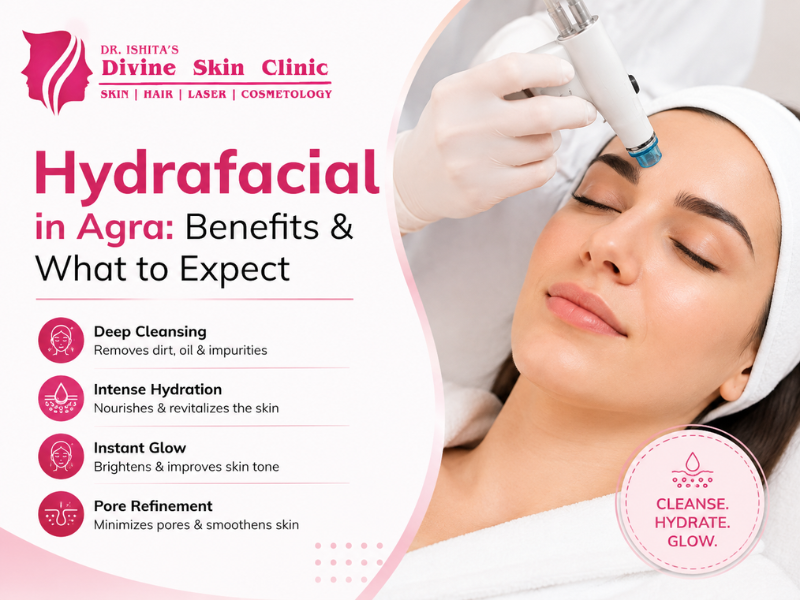
Step 1: Skin Cleansing
The skin is gently cleansed to remove surface dirt, oil, and other impurities.
This prepares the skin for the following steps.
Step 2: Gentle Exfoliation
The next step helps remove dead skin cells from the surface.
Removing this buildup can help the skin appear smoother and more even.
Step 3: Skin Cleansing and Pore Care
The treatment can help remove surface impurities and excess oil from the pores.
This step may be especially useful for people who feel that their skin looks congested or dull.
Step 4: Hydration
The final part focuses on providing hydration and helping the skin feel soft and refreshed.
The products used during treatment can vary depending on the individual’s skin needs.
Because everyone’s skin is different, a professional assessment can help determine which approach is appropriate.
Who Can Benefit From Hydrafacial?
Hydrafacial may be suitable for many people who want to improve the overall appearance and feel of their skin.
It may be considered for people experiencing:
- Dull-looking skin
- Dry or dehydrated skin
- Rough skin texture
- Uneven-looking skin
- Excess surface oil
- Congested-looking pores
- Skin that looks tired
- Mild signs of ageing
It can also be chosen by people who want regular professional skin care before an important event.
However, Hydrafacial is not automatically suitable for every person or every skin condition. Your skin type, current concerns, and any active skin problem should be considered before treatment.
Can Hydrafacial Help With Acne-Prone Skin?
Hydrafacial may help improve the appearance of skin that feels congested or oily.
However, it should not be considered a complete treatment for acne.
Active acne can have different causes and may require a proper dermatological treatment plan. If you have frequent pimples, painful acne, or acne marks, it is better to consult a dermatologist before choosing a facial treatment.
You can also learn more about acne treatment in Agra and discuss your skin concerns with a qualified dermatologist.
Can Hydrafacial Improve Dull Skin?
Yes, one of the reasons people choose Hydrafacial is to refresh dull-looking skin.
By cleansing the skin, removing surface buildup, and providing hydration, the treatment can help the skin appear:
- Fresher
- Smoother
- Cleaner
- More hydrated
- More radiant
However, the result depends on your skin condition and individual response.
If dullness is linked to pigmentation, acne, sun exposure, or another skin concern, additional treatment may be needed.
What Can You Expect During a Hydrafacial?
Hydrafacial is generally performed as a professional skin treatment in a clinic.
Before treatment, the skin should be assessed to understand your concerns and decide whether the treatment is suitable.
During the session, you can expect a series of cleansing, exfoliation, pore-cleansing, and hydration steps.
The treatment is generally designed to be comfortable, although individual experiences can vary.
Your dermatologist or trained professional can explain the process before starting.
What Can You Expect After Hydrafacial?
Many people choose Hydrafacial because they want a treatment that fits easily into their routine.
After treatment, the skin may feel:
- Clean
- Soft
- Hydrated
- Smooth
- Fresh
Some people may notice a temporary feeling of sensitivity, especially if their skin is naturally sensitive.
Your skin care professional may recommend specific products or precautions after treatment depending on your skin condition.
It is important to follow the aftercare instructions provided by your clinic.
How Often Should You Get a Hydrafacial?
There is no single schedule that is right for everyone.
The ideal frequency depends on:
- Skin type
- Skin concerns
- Daily skin care routine
- Previous treatments
- Overall skin condition
Some people may choose Hydrafacial occasionally when they want to refresh their skin, while others may include it as part of a regular skin care plan.
A dermatologist can help you decide whether regular Hydrafacial sessions are appropriate for your skin.
Is Hydrafacial Suitable for Every Skin Type?
Hydrafacial can be considered for different skin types, but suitability should still be assessed individually.
People with sensitive skin, active skin irritation, infections, or certain skin conditions may need a different approach or may need to postpone treatment.
This is why professional consultation is important, especially if you have an existing skin condition or are using prescription skin products.
Hydrafacial vs Regular Facial
A regular facial and a Hydrafacial are not exactly the same.
A regular facial may involve cleansing, massage, exfoliation, and application of skin care products.
Hydrafacial follows a more structured process that focuses on cleansing, exfoliation, pore care, and hydration using professional equipment.
The right option depends on your skin needs and treatment goals.
A dermatologist can help you understand which approach may be more suitable for you.
When Should You Avoid a Hydrafacial?
You should inform your dermatologist or skin care professional about any active skin concerns before treatment.
You may need to postpone treatment if you have:
- Active skin irritation
- Open wounds
- Certain skin infections
- Severe inflammation
- Recently treated skin
- A condition requiring medical treatment
Do not use a facial treatment as a substitute for medical care when you have a persistent or worsening skin problem.
Why Choose a Dermatologist for Hydrafacial in Agra?
Choosing a professional clinic is important because your skin needs may be different from someone else’s.
At Dr. Ishita’s Divine Skin Clinic, Agra, skin treatments are planned according to the individual’s skin type and concerns.
Dr. Ishita Raka Pandit is a dermatologist, aesthetic dermatologist, dermatosurgeon, and trichologist with more than 11 years of experience in dermatology and aesthetic medicine.
You can learn more about Dr. Ishita Raka Pandit before planning your treatment.
You can also explore the clinic’s Hydrafacial treatment in Agra page for more information.
Frequently Asked Questions About Hydrafacial
What is Hydrafacial used for?
Hydrafacial is commonly used to cleanse, exfoliate, refresh, and hydrate the skin. It may help improve the appearance of dull, rough, or congested skin.
Is Hydrafacial suitable for sensitive skin?
It may be suitable for some people with sensitive skin, but individual assessment is important. Your skin condition should be checked before treatment.
Does Hydrafacial help with acne?
Hydrafacial may help with surface oil and congestion, but it is not a complete treatment for acne. Persistent acne should be evaluated by a dermatologist.
How long do Hydrafacial results last?
The duration of visible results varies from person to person. Skin care habits, skin type, lifestyle, and the underlying skin concern can all affect the results.
Can I get Hydrafacial before an event?
Some people choose Hydrafacial before an event because it can leave the skin looking fresh and hydrated. However, it is best to plan the treatment in advance rather than trying it for the first time immediately before an important event.
Is Hydrafacial painful?
Hydrafacial is generally designed to be comfortable. However, individual sensitivity can vary.
How often should I get Hydrafacial?
There is no fixed schedule for everyone. A dermatologist can recommend an appropriate frequency based on your skin type and concerns.
Is Hydrafacial a medical treatment for skin problems?
Hydrafacial is primarily a professional skin care treatment. It should not replace medical treatment for conditions such as severe acne, infections, or persistent skin inflammation.
Book a Hydrafacial Consultation in Agra
If your skin looks dull, feels rough, or lacks hydration, a professional skin assessment can help you understand what your skin actually needs.
Dr. Ishita’s Divine Skin Clinic in Agra offers professional skin and aesthetic care based on individual skin concerns.
Book a consultation with Dr. Ishita Raka Pandit to find out whether Hydrafacial is suitable for your skin.
Dr. Ishita’s Divine Skin Clinic
13/14, IIIrd Floor, Shanti Madhuban Plaza, Delhi Gate Road, adjacent to Pushpanjali Hospital, Agra, Uttar Pradesh 282002
Call: +91 8287139498
Email: drishitadivineskinclinic@gmail.com
Disclaimer: This article is for general information only and should not be considered medical advice, diagnosis, or treatment. The suitability of Hydrafacial varies from person to person. Consult a qualified dermatologist for advice specific to your skin.