Looking for the best Melasma Treatment Agra? Many people struggle with dark patches on their skin but are unsure whether they have melasma or hyperpigmentation. Although these conditions may look similar, they have different causes and require different treatment approaches. In this guide, Dr. Ishita from Divine Skin Clinic, Agra explains the differences and how to choose the right treatment for healthier, even-toned skin.
Understanding the difference is the first step toward choosing the right treatment. If you are searching for melasma treatment in Agra, hyperpigmentation treatment in Agra, or a skin specialist in Agra, this guide by Dr. Ishita at Divine Skin Clinic will help you make informed decisions.
What is Melasma?
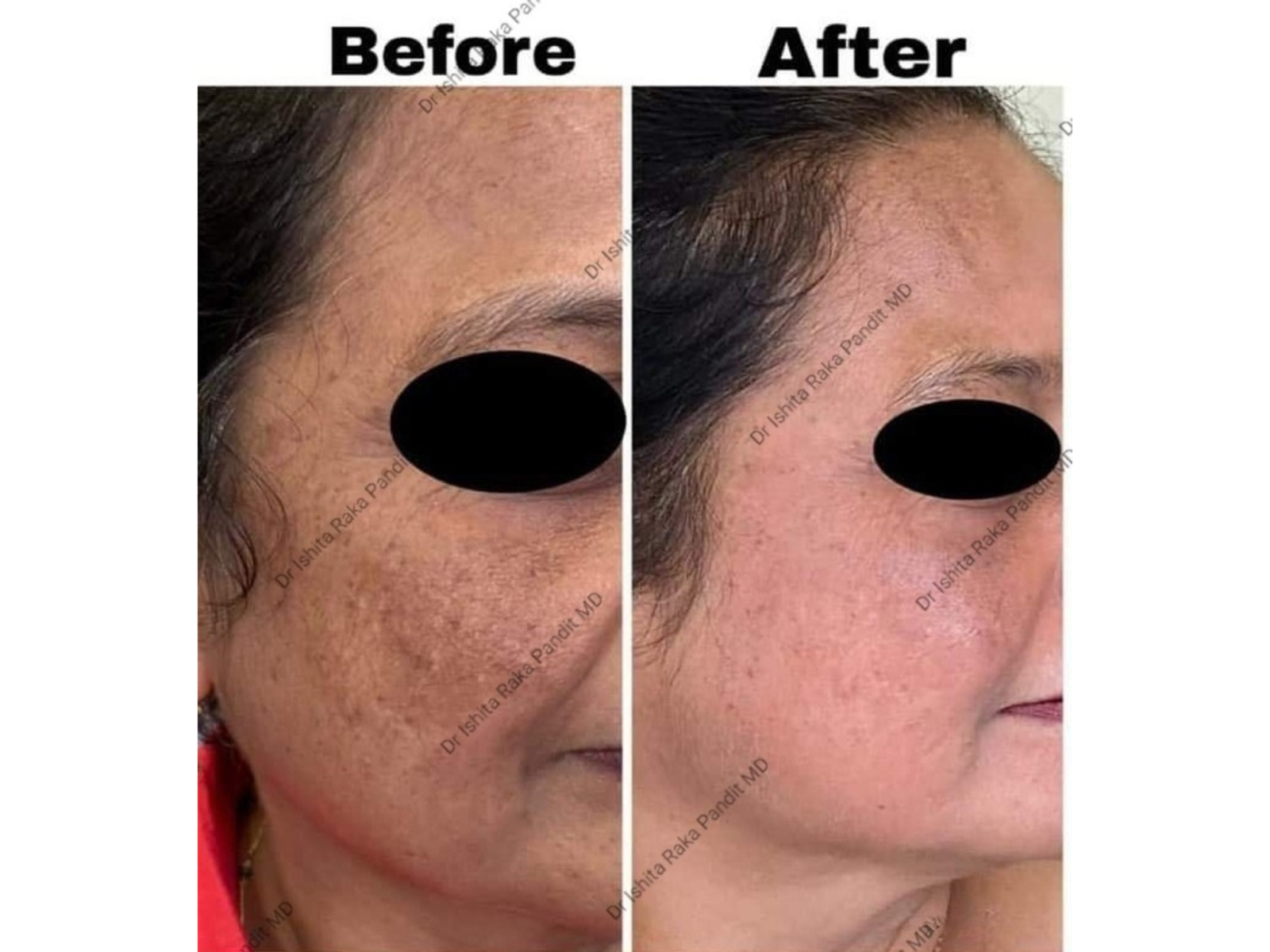
Melasma is a skin condition that appears as larger patches of darker skin, most commonly on the cheeks, forehead, nose, and upper lip. It usually develops gradually and often affects both sides of the face.
Melasma is more common in women, especially during hormonal changes, but it can also affect men.
What is Hyperpigmentation?
Hyperpigmentation is a general term used for areas of skin that become darker than the surrounding skin. These spots can appear anywhere on the body and may develop after acne, sun exposure, minor skin injuries, or other skin concerns.
Unlike melasma, hyperpigmentation often appears as individual spots rather than large symmetrical patches.
Melasma vs Hyperpigmentation: What’s the Difference?
Although both conditions involve darkening of the skin, there are some noticeable differences.
Melasma
- Usually appears on the face.
- Forms larger patches.
- Often develops on both sides of the face.
- Frequently linked with hormonal changes and sunlight.
Hyperpigmentation
- Can appear anywhere on the body.
- Usually appears as individual dark spots.
- Often develops after acne, skin irritation, or sun exposure.
- May vary in size and shape.
A proper skin examination helps determine which condition you have and the most suitable treatment plan.
Common Causes
Several factors may contribute to melasma or hyperpigmentation, including:
- Sun exposure
- Hormonal changes
- Pregnancy
- Family history
- Acne marks
- Skin irritation
- Certain cosmetic products
- Ageing
- Environmental pollution
Identifying the underlying cause is essential because treatment varies from person to person.
Can They Be Prevented?
While prevention is not always possible, healthy skincare habits can help reduce the risk.
Simple preventive measures include:
- Apply sunscreen daily.
- Avoid prolonged sun exposure.
- Wear protective clothing or a hat outdoors.
- Follow a gentle skincare routine.
- Avoid picking pimples.
- Use skincare products suitable for your skin type.
Daily sun protection is one of the most effective ways to reduce further pigmentation.
How Are These Conditions Treated?
The right treatment depends on the cause, severity, skin type, and overall skin health.
A dermatologist may recommend a combination of approaches to improve skin tone gradually and safely.
Depending on individual needs, treatment options may include:
- Personalized skincare plans
- Professional skin treatments
- Chemical peels
- Laser-based procedures
- Skin rejuvenation treatments
- Lifestyle and skincare guidance
Every patient has different skin concerns, so treatment is always personalized after a proper consultation.
Why Self-Treatment May Not Work
Many people try home remedies or random products after seeing online recommendations. Unfortunately, using the wrong products may worsen pigmentation or delay improvement.
Instead of guessing, it is always better to seek professional guidance to understand the exact cause of your skin concern.
Why Choose Dr. Ishita for Pigmentation Treatment in Agra?
At Divine Skin Clinic, every patient receives a detailed skin assessment before any treatment is recommended.
Patients choose Dr. Ishita because of:
- Personalized treatment plans
- Modern dermatology and aesthetic technologies
- Safe and patient-focused care
- Solutions for melasma, pigmentation, acne marks, and uneven skin tone
- Guidance for long-term skin health
The goal is not only to improve the appearance of the skin but also to help prevent future pigmentation.
Healthy Habits for Clearer Skin
Good skincare habits can support healthier-looking skin.
- Cleanse your face gently.
- Never skip sunscreen.
- Stay hydrated.
- Avoid touching your face frequently.
- Eat a balanced diet.
- Get adequate sleep.
- Manage stress.
- Follow your dermatologist’s advice consistently.
Consistency often plays an important role in maintaining healthy skin.
Book Your Consultation
If you are noticing dark patches, uneven skin tone, or pigmentation that isn’t improving, professional guidance can help identify the cause and recommend the most appropriate treatment.
Website: https://divineskinclinicagra.com/
Instagram: https://www.instagram.com/drishitadivineskinclinic/
Google Business Profile: https://share.google/u2BBESWEMIgw9aucq
Book your consultation with Dr. Ishita at Divine Skin Clinic, Agra, for personalized care and expert guidance for melasma, pigmentation, and overall skin health.
Frequently Asked Questions
1. What is the difference between melasma and hyperpigmentation?
Melasma usually appears as larger patches on the face, while hyperpigmentation generally appears as individual dark spots that can occur on different parts of the body.
2. Can melasma disappear on its own?
In some cases it may improve, but many people benefit from professional treatment and consistent sun protection.
3. Is hyperpigmentation permanent?
Many forms of hyperpigmentation improve over time with proper skincare and dermatologist-recommended treatment.
4. Can sunlight make pigmentation worse?
Yes. Sun exposure can worsen both melasma and hyperpigmentation, making daily sunscreen important.
5. Should I use home remedies for pigmentation?
Home remedies may not work for everyone and sometimes can irritate the skin. It is best to consult a dermatologist before trying new treatments.
6. Who is more likely to develop melasma?
Melasma is more commonly seen in women, especially during hormonal changes, but it can affect anyone.
7. When should I see a dermatologist for pigmentation?
If dark patches are spreading, becoming more noticeable, or not improving with regular skincare, it is advisable to consult a dermatologist.
8. Where can I get melasma and pigmentation treatment in Agra?
Dr. Ishita at Divine Skin Clinic offers personalized evaluation and treatment for melasma, hyperpigmentation, and other skin concerns in Agra.