Hair thinning, excessive hair fall and a receding hairline can affect both men and women. Along with established treatments, newer regenerative procedures are gaining attention. One such option is exosome therapy for hair growth.
Exosomes are tiny particles involved in communication between cells. Researchers are studying whether they can support hair follicle activity and improve hair density. However, an important question remains: do exosomes actually work, and are they safe?
The early research is promising, but the treatment is still developing. This guide explains how exosomes work, what clinical studies show, possible side effects and what to consider before choosing this treatment.
What Are Exosomes?
Exosomes are tiny extracellular vesicles released by cells. They carry biological signals, including proteins, lipids and small molecules, which help cells communicate with one another.
In hair research, scientists are studying exosomes derived from sources such as mesenchymal stem cells and hair follicle cells. These particles may influence processes involved in hair follicle function, inflammation and tissue repair.
Exosomes are not the same as stem cells. They are cell-derived particles and do not contain complete living cells.
How Does Exosome Therapy for Hair Growth Work?
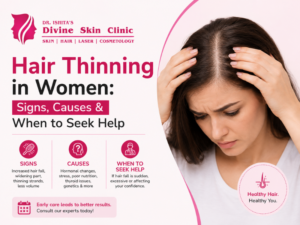
Hair grows through a natural cycle that includes growth, transition and resting phases. Hair thinning can occur when this cycle becomes disrupted or hair follicles gradually become smaller.
Researchers believe that certain exosome preparations may support hair growth through several possible mechanisms:
- Cell communication: Exosomes carry signals that may influence the activity of cells around hair follicles.
- Follicle support: Some laboratory studies suggest that exosomes may support dermal papilla cells, which play an important role in hair growth.
- Growth-phase activity: Researchers are studying whether exosomes can encourage follicles to remain in the active growth phase.
- Inflammation regulation: Certain exosome signals may influence inflammatory processes around hair follicles.
These are proposed biological mechanisms. They do not guarantee visible hair regrowth in every patient.
Do Exosomes Actually Work for Hair Growth?
Early clinical studies suggest that exosome-based treatments may improve hair density and thickness in some people. However, the available evidence is still limited, and more large, well-designed studies are needed.
A 2025 systematic review examined 11 clinical studies involving different exosome sources and hair-loss conditions. Some studies reported improvements in hair density and thickness. However, the research included small studies, different treatment methods and varying follow-up periods.
A separate review published in Dermatologic Surgery in 2025 found that only a limited number of human studies had evaluated exosomes for hair loss. It highlighted the need for better clinical trials and consistent product standards.
The Association of Cutaneous Surgeons of India Task Force has also described the evidence for exosomes in hair growth as relatively low, noting the limited number of human studies.
This means exosome therapy is a promising area of research, not a proven replacement for established hair-loss treatments. Results reported in early studies should not be treated as guaranteed outcomes.
Who May Consider Exosome Hair Treatment?
Exosome therapy is being investigated for different forms of hair loss, particularly androgenetic alopecia, also known as male or female pattern hair loss.
However, not every person with hair fall is a suitable candidate.
A dermatologist should first assess:
- Whether hair loss is hereditary or related to another condition
- How long the hair fall has been occurring
- Whether the scalp has inflammation or another skin condition
- The extent of hair thinning
- Previous treatments and medical history
- Whether further tests are needed
People with sudden hair loss, patchy bald spots or significant scalp irritation may need a different medical evaluation before considering any hair restoration procedure.
For a broader overview, read our guide to hair loss treatment in Agra.
How Is Exosome Therapy Performed?
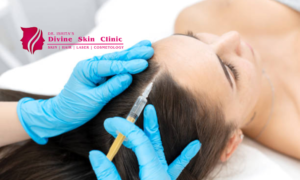
The exact procedure depends on the product, its formulation and the clinician’s protocol. Some treatment approaches described in research involve applying exosome preparations to the scalp with techniques such as microneedling or injections.
A typical clinical discussion may involve:
- Scalp assessment: The dermatologist examines the hair-loss pattern and scalp condition.
- Treatment planning: The clinician explains whether the proposed procedure is appropriate and discusses alternatives.
- Product verification: The source, manufacturer, preparation, quality testing and regulatory status of the product should be checked.
- Procedure: If considered appropriate, the treatment is performed using the selected clinical method.
- Follow-up: The clinician monitors the scalp and hair changes over time.
There is currently no universally accepted exosome treatment protocol for hair growth. The number of sessions, interval and expected results can vary between products and research methods.
What Are the Possible Side Effects of Exosome Therapy?
Small hair-loss studies have mainly reported mild, short-term effects. These may include:
- Redness at the treatment site
- Scalp tenderness or discomfort
- Mild swelling
- Itching or irritation
- Temporary sensitivity
- Headache in some patients
However, limited research and short follow-up periods mean that long-term safety is not fully established.
Product quality is another important concern. Poor manufacturing, contamination, inadequate storage or unclear product composition may create additional risks.
The US Food and Drug Administration (FDA) states that there are currently no FDA-approved exosome products. It has also warned consumers about unapproved regenerative medicine products and potential safety concerns. This is a US regulatory position, not a statement about Indian product approval. Patients in India should ask about the applicable Indian regulatory status and product documentation before proceeding.
Do not assume that a product is safe simply because it is described as natural, stem-cell-derived or regenerative.
Exosomes vs PRP for Hair Growth: What Is the Difference?
Both treatments are being explored for hair restoration, but they are different.
| Feature | Exosome therapy | PRP therapy |
|---|---|---|
| Source | Cell-derived extracellular vesicles | Patient’s own blood |
| Main concept | Delivers biological signals between cells | Uses concentrated platelets and their growth factors |
| Research status | Early and developing clinical evidence | More clinical research is available |
| Preparation | Depends on the product and manufacturer | Blood is collected and processed |
| Standardisation | Product composition and protocols vary | Preparation methods and protocols also vary |
Neither treatment is suitable for every type of hair loss. There is not enough high-quality comparative evidence to conclude that exosomes are better than PRP.
At Divine Skin Clinic, Agra, hair growth options listed on the clinic website include PRP, QR678, exosomes, mesotherapy and GFC. The appropriate option should be decided after a medical assessment rather than by choosing the newest procedure.
Are Exosomes Better Than Medicines for Hair Loss?
Not necessarily. Established treatments such as topical minoxidil and selected prescription medicines have a more developed evidence base for certain types of hereditary hair loss.
These treatments are not suitable for everyone and should be used under medical guidance. Exosome therapy has not been proven to replace them.
In some cases, hair fall may be related to thyroid problems, nutritional deficiencies, illness, hormonal changes or scalp conditions. Treating the underlying cause may be more important than choosing a regenerative procedure.
Read more about hair fall in women and treatment options to understand why identifying the cause matters.
What Should You Check Before Choosing Exosome Treatment?
Before considering exosome therapy, ask the dermatologist:
- What is the likely cause of my hair loss?
- What evidence supports the specific product being offered?
- Where are the exosomes sourced from?
- Is the product properly tested for identity, purity and contamination?
- What is its applicable regulatory status in India?
- What side effects and uncertainties should I understand?
- Are established treatments more appropriate for my condition?
Be careful with claims such as guaranteed hair regrowth, permanent results or complete recovery in a fixed number of sessions. No responsible treatment should promise the same outcome for everyone.
Frequently Asked Questions
1. How effective is exosome therapy for hair growth?
Early studies have reported improvements in hair density and thickness in some patients. However, the evidence is limited, and larger clinical trials are needed to confirm how effective and long-lasting the results are.
2. How many exosome sessions are needed for hair growth?
There is no universally established treatment schedule. The number and timing of sessions depend on the product and clinical protocol. A dermatologist should explain the proposed plan before treatment.
3. Is exosome therapy safe for hair loss?
Small studies have mainly reported mild effects such as redness, swelling and itching. However, long-term safety is not fully established. Product quality, testing and regulatory status should be checked before treatment.
4. Is exosome therapy better than PRP?
There is not enough reliable evidence to say that exosome therapy is better than PRP. PRP has a larger body of clinical research, while exosome therapy is still being studied.
5. Can exosome therapy regrow hair in completely bald areas?
There is insufficient evidence to promise hair regrowth in completely bald areas. Treatment response depends on the condition of the hair follicles and the cause of hair loss. A dermatologist should assess the scalp before recommending treatment.
Consult a Dermatologist for Hair Growth Treatment in Agra
Hair fall and thinning can have several causes, so the first step is to understand what is affecting your hair follicles. Although exosome therapy is an emerging area of hair restoration, it is important to review the evidence, product quality, possible risks and available alternatives before making a decision.
At Dr. Ishita’s Divine Skin Clinic, Agra, patients can consult Dr. Ishita Raka Pandit, dermatologist and trichologist, for an individual assessment of hair and scalp concerns. The clinic lists hair growth options including PRP, QR678, exosomes, mesotherapy and GFC.
Book a consultation to discuss your hair concerns and understand which treatment options may be suitable for you.
Clinic: Dr. Ishita’s Divine Skin Clinic
Address: 13/14, IIIrd Floor, Shanti Madhuban Plaza, Delhi Gate Road, adjacent to Pushpanjali Hospital, Agra, Uttar Pradesh 282002
Phone: +91 8287139498
Email: drishitadivineskinclinic@gmail.com
Consultation Fee: ₹600
Visit Divine Skin Clinic to learn more or enquire about an appointment.