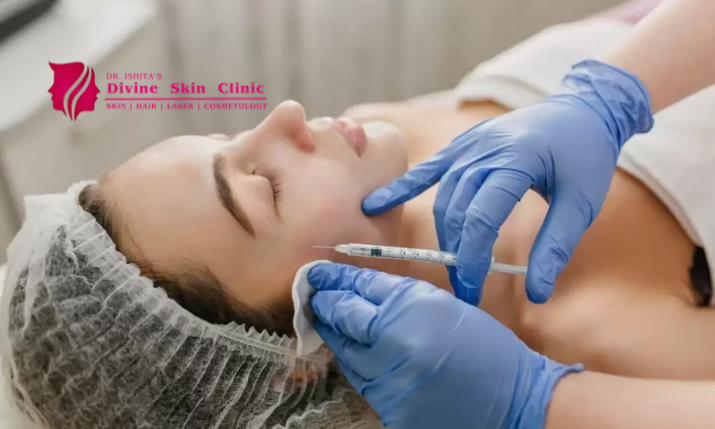
Moles and skin tags are common skin growths that can appear on the face, neck, underarms, eyelids, and other parts of the body. Most are harmless, but some people prefer to remove them because of their appearance, discomfort, or repeated irritation from clothing and jewellery.
If you are considering mole and skin tag removal in Agra, it is important to understand the available procedures, possible risks, healing time, and chances of scarring.
The good news is that many moles and skin tags can be removed through minor dermatological procedures. However, the right method depends on the type, size, location, and medical nature of the growth. A dermatologist should examine the area before recommending removal.
What Is the Difference Between a Mole and a Skin Tag?
Although moles and skin tags may look like small skin growths, they are different.
Moles are growths formed by clusters of pigment-producing cells called melanocytes. They may be flat or raised and can appear brown, black, pink, or skin-coloured. Some people have moles from birth, while others develop them during childhood or adulthood.
Skin tags are small, soft, harmless growths that usually hang from the skin through a narrow base. They are commonly found on the neck, eyelids, underarms, groin, and areas where skin rubs against skin.
The main differences include:
- Moles may be flat or raised, while skin tags are usually soft and attached by a small stalk.
- Moles may contain pigment, while skin tags are generally skin-coloured or slightly darker.
- Moles develop from pigment-producing cells, while skin tags are made of soft skin tissue.
- Some changing moles require medical evaluation, while skin tags are generally harmless.
Correct identification is important because the removal method for each growth may be different.
Is Mole and Skin Tag Removal Safe?
Yes, mole and skin tag removal is generally safe when performed by a qualified dermatologist after proper examination.
However, no procedure is completely risk-free. Possible side effects include temporary redness, swelling, mild discomfort, infection, changes in skin colour, and scarring.
The safety of the procedure depends on several factors:
- Type and size of the growth
- Location on the body
- Skin type and healing tendency
- Medical history
- Removal technique used
One important point is that not every mole should be removed for cosmetic reasons without examination. A mole that changes in size, shape, or colour may require further assessment to rule out skin cancer.
A dermatologist may recommend a biopsy or laboratory examination of the removed tissue when necessary.
What Are the Different Mole and Skin Tag Removal Methods?
The treatment depends on whether the growth is a mole or a skin tag.
1. Mole Removal by Surgical Excision
Surgical excision involves removing the mole along with a small amount of surrounding skin when medically appropriate.
The procedure is usually performed under local anaesthesia to reduce discomfort. The removed tissue may be sent for laboratory examination.
This method is commonly considered for moles that need complete removal or further examination.
2. Shave Removal
In shave removal, a dermatologist uses a sterile surgical instrument to remove a raised skin growth at or near the skin surface.
It may be suitable for selected raised moles. The choice depends on the mole’s appearance and medical assessment.
Shave removal may leave a small mark or scar, and some moles can grow back.
3. Skin Tag Removal
Skin tags can be removed using different minor procedures, depending on their size and location.
Common methods include:
- Snip removal: The dermatologist cuts the skin tag using sterile instruments.
- Electrocautery: Controlled electrical heat is used to remove the growth.
- Cryotherapy: Selected skin tags are frozen using a controlled cooling technique.
Not every technique is suitable for every growth. A dermatologist selects the safest option after examining the skin.
Does Mole or Skin Tag Removal Leave a Scar?
This is one of the most common concerns among people considering removal.
The answer is that a scar is possible, but its appearance depends on the procedure, growth size, skin type, and healing response.
Small skin tags may heal with very little visible marking. However, larger growths or surgical mole removal may leave a small scar.
Factors that can affect scarring include:
- Depth and size of the removed growth
- Body location
- Individual skin healing
- Tendency to develop raised scars or keloids
- Infection or excessive irritation during recovery
- Picking or scratching the healing area
Following aftercare instructions can support proper healing and reduce the risk of complications. However, no dermatologist can guarantee completely scar-free removal.
How Long Does Recovery Take After Mole and Skin Tag Removal?
Recovery time depends on the removal method and the size of the treated area.
For many minor skin tag removal procedures, initial healing may take around one to two weeks. Surgical mole removal may require longer, particularly if stitches are needed.
The healing process generally includes:
First 24–48 hours: Mild redness, swelling, or tenderness may occur around the treated area.
First week: A small scab may form as the skin begins to heal. Avoid touching or picking it.
One to two weeks: Many small treated areas show significant healing, although deeper wounds may take longer.
Following weeks: The treated area may gradually become smoother. Any remaining redness or pigmentation can take additional time to settle.
If stitches are used, the dermatologist will advise when they should be removed.
What Precautions Should You Take After Removal?
Proper aftercare is important for reducing infection risk and supporting healing.
Follow these precautions:
- Keep the treated area clean according to your dermatologist’s instructions.
- Apply prescribed ointment or dressing if recommended.
- Avoid scratching, rubbing, or picking the healing skin.
- Do not apply makeup or strong skincare products directly to an open wound.
- Protect the treated area from excessive sun exposure after healing.
- Attend follow-up appointments if advised.
Contact your dermatologist if you notice increasing pain, spreading redness, pus, fever, or excessive bleeding.
When Should You Get a Mole Examined?
Not every mole is dangerous, but certain changes should never be ignored.
Remember the ABCDE warning signs:
- A – Asymmetry: One half of the mole looks different from the other.
- B – Border: The edges are irregular or poorly defined.
- C – Colour: The mole has multiple or changing colours.
- D – Diameter: The mole is larger than approximately 6 mm, although smaller melanomas can also occur.
- E – Evolving: The mole changes in size, shape, colour, or appearance.
A mole that bleeds, becomes painful, or develops persistent itching should also be examined.
Do not attempt to remove a suspicious mole at home. Proper examination is important before choosing any cosmetic procedure.
Frequently Asked Questions
1. Is mole removal painful?
Most minor mole removal procedures are performed under local anaesthesia. You may feel a brief injection sensation, but the treated area is generally numbed during the procedure. Mild discomfort may occur afterwards.
2. Can skin tags grow back after removal?
A removed skin tag usually does not grow back in the same place. However, new skin tags may develop in other areas, particularly in people who are prone to them.
3. Does laser mole removal leave scars?
Scarring depends on the type of mole, removal technique, and individual healing response. Laser treatment is not suitable for every mole because it may destroy tissue needed for laboratory examination. A dermatologist should assess the mole before recommending removal.
4. How many days does it take to heal after skin tag removal?
Many small skin tag removal sites heal within one to two weeks. Larger growths or procedures involving deeper tissue may require additional healing time.
5. Can I remove a mole or skin tag at home?
No. Home removal using scissors, threads, chemicals, or over-the-counter removal products can cause bleeding, infection, burns, and scarring. It may also delay the diagnosis of a potentially serious skin condition. Always seek professional evaluation.
Get Safe Mole and Skin Tag Removal Advice at Divine Skin Clinic, Agra
Moles and skin tags may seem like minor concerns, but choosing the right removal method is important for skin safety and appearance.
At Dr. Ishita’s Divine Skin Clinic, Agra, patients can seek dermatological consultation for moles, skin tags, and other skin growths. The dermatologist can examine the affected area, discuss suitable removal options, and explain the expected healing process.
Whether you are considering removal for cosmetic reasons or because a growth causes discomfort, start with a professional skin examination.
Book your consultation at Divine Skin Clinic today and get expert guidance for safe and appropriate mole and skin tag removal.
Clinic: Dr. Ishita’s Divine Skin Clinic
Address: 13/14, IIIrd Floor, Shanti Madhuban Plaza, Delhi Gate Road, Adjacent to Pushpanjali Hospital, Agra, Uttar Pradesh 282002
Phone: +91 8287139498
Email: drishitadivineskinclinic@gmail.com
Consultation Fee: ₹600
Website: https://divineskinclinicagra.com/