

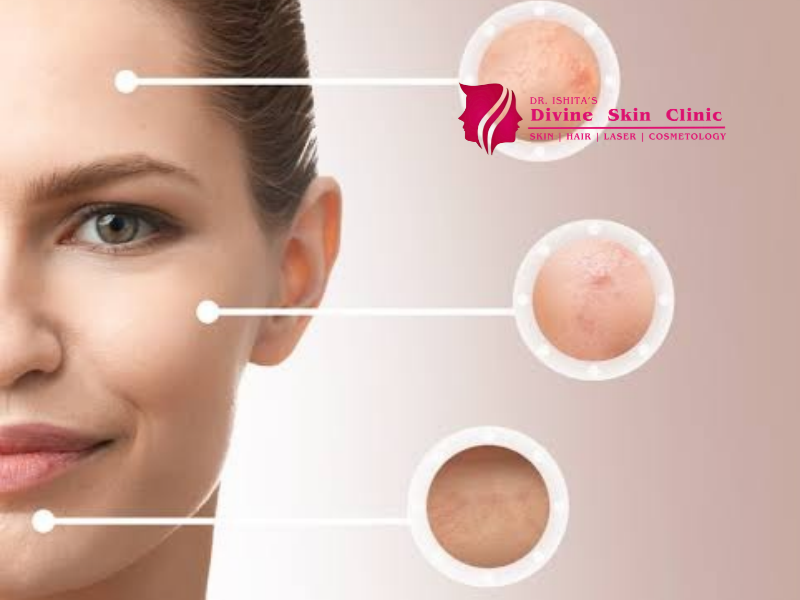
Uneven skin tone, dark patches, acne marks, and pigmentation are common skin concerns that can affect both men and women. If you are searching for the best treatment for pigmentation in Agra, it is important to understand that pigmentation is not one single condition. The right treatment depends on what is causing the excess pigmentation and how deeply it affects the skin.
Sun exposure, acne, hormonal changes, skin irritation, inflammation, and certain medications can all contribute to dark spots or patches. A dermatologist can examine the skin, identify the likely cause, and recommend a treatment plan based on your skin type and condition.
At Divine Skin Clinic, Agra, pigmentation concerns are evaluated individually so that treatment can be selected according to the patient’s skin condition and goals. The clinic also provides information on skin pigmentation treatment in Agra.
What Is Skin Pigmentation?
Skin pigmentation refers to a change in the normal color of the skin. When the skin produces more melanin than usual in certain areas, darker spots or patches can develop.
Pigmentation may appear on the:
- Face and cheeks
- Forehead
- Upper lip
- Nose
- Neck
- Hands
- Areas affected by acne or inflammation
Pigmentation can be temporary or persistent. Some dark spots gradually fade, while conditions such as melasma may continue for years and can return even after improvement.
This is why identifying the underlying cause is an important first step.
What Causes Pigmentation?
Sun Exposure
Sun exposure is one of the most important factors behind many pigmentation problems. UV radiation can stimulate melanin production and make existing dark spots more noticeable.
Visible light can also worsen melasma, particularly in people with darker skin tones. This is why daily sun protection is an important part of pigmentation management.
Acne and Skin Inflammation
Dark marks often remain after acne has healed. This is known as post-inflammatory hyperpigmentation, or PIH.
A pimple may disappear, but the area can remain darker than the surrounding skin for months. Scratching, squeezing, or irritating acne can increase inflammation and contribute to persistent marks.
Hormonal Changes
Hormonal changes can contribute to melasma. Pregnancy, certain medications, and hormonal fluctuations may trigger or worsen pigmentation.
Melasma commonly appears as darker patches on areas such as the cheeks, forehead, nose, and upper lip.
Skin Irritation
Harsh skincare products, excessive exfoliation, or products that cause burning and irritation may make pigmentation worse. Dermatologists generally recommend gentle skincare, particularly when treating existing pigmentation.
Other Skin Conditions
Pigmentation can sometimes occur after eczema, psoriasis, injuries, insect bites, burns, or other inflammatory skin conditions. Treating the underlying condition is often an important part of reducing the resulting pigmentation.
What Is the Best Treatment for Pigmentation in Agra?
There is no single treatment that is best for every type of pigmentation. A dermatologist first needs to determine whether the pigmentation is related to melasma, acne, inflammation, sun exposure, or another cause.
Treatment may include a combination of sun protection, topical medicines, chemical peels, microneedling, laser or light-based procedures, depending on the diagnosis.
1. Sunscreen and Sun Protection
Sun protection is a foundation of pigmentation treatment.
Dermatologists commonly recommend a broad-spectrum, water-resistant sunscreen with SPF 30 or higher. For people with melasma or pigmentation concerns, tinted sunscreen containing iron oxide can provide additional protection against visible light.
For better protection:
- Apply sunscreen before going outdoors.
- Reapply regularly, particularly after sweating or swimming.
- Use shade whenever possible.
- Wear a wide-brimmed hat when spending extended time outdoors.
- Consider tinted sunscreen if pigmentation is a major concern.
Without consistent sun protection, pigmentation may become darker and treatment results may be harder to maintain.
2. Prescription and Topical Treatments
Depending on the diagnosis, a dermatologist may recommend topical ingredients that help reduce excess pigmentation.
Possible options include azelaic acid, retinoids, vitamin C, kojic acid, or prescription medicines such as hydroquinone in appropriate cases. Some treatments are more suitable for particular pigmentation conditions than others.
Prescription treatments should be used under dermatological guidance because inappropriate or prolonged use can irritate the skin.
3. Chemical Peels
Chemical peels use a controlled chemical solution to improve skin renewal and reduce excess pigmentation.
They may be considered for selected cases of pigmentation, acne marks, and uneven skin tone. The type and strength of peel should be selected according to the patient’s skin condition and pigmentation.
A stronger peel is not automatically a better peel. Particularly in pigmentation-prone skin, inappropriate treatment can cause irritation and potentially worsen discoloration.
4. Microneedling
Microneedling creates controlled microscopic injuries in the skin to stimulate the skin’s natural healing response.
It may be considered as part of a treatment plan for selected pigmentation concerns. For melasma, the American Academy of Dermatology notes that microneedling may sometimes be used alongside topical treatment and sun protection.
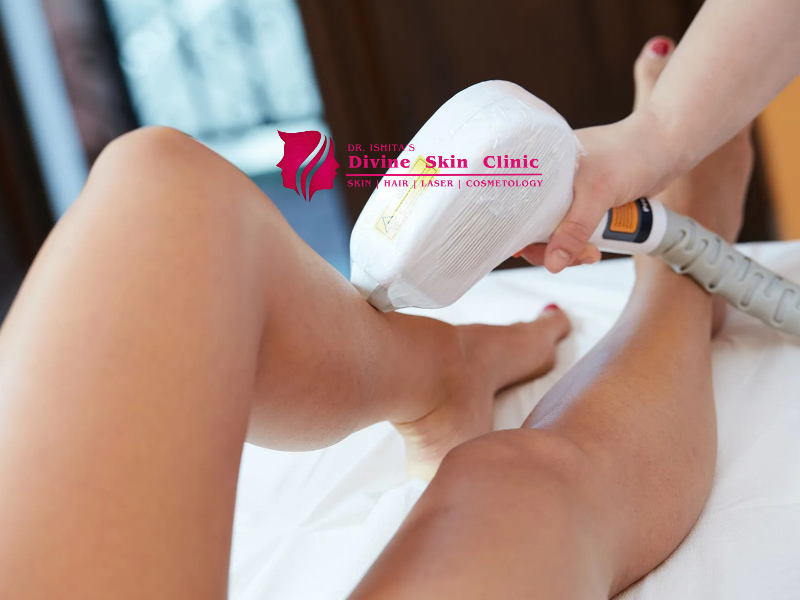
5. Laser and Light-Based Treatments
Laser and light-based procedures may be considered for certain pigmentation problems.
However, these procedures are not suitable for every patient. Skin tone, pigmentation depth, diagnosis, treatment settings, and the possibility of post-inflammatory pigmentation all need to be considered.
For this reason, pigmentation should be assessed by a dermatologist before choosing a laser procedure.
Why Is Professional Diagnosis Important?
Different pigmentation conditions can look similar but require different approaches.
For example, a dark mark left after acne is not the same as melasma. Treating both conditions in exactly the same way may not produce the expected results.
A dermatologist can examine the pigmentation and, when needed, use tools such as a Wood’s lamp or dermatoscope to assess the skin more closely. This can help determine how deeply the pigment extends and guide treatment planning.
For people with darker skin tones, treatment selection is particularly important because some procedures or irritating products can trigger additional pigmentation.
How Long Does Pigmentation Treatment Take?
Pigmentation usually does not disappear overnight.
The timeline depends on:
- Type of pigmentation
- Depth of pigment
- Duration of the condition
- Skin type
- Treatment selected
- Sun exposure
- Response to treatment
- Consistency with skincare
Melasma can be particularly persistent. The American Academy of Dermatology notes that treatment may take several months, and some patients may need ongoing maintenance because melasma can return.
The goal should be gradual, controlled improvement rather than aggressive treatment that irritates the skin.
How Can You Prevent Pigmentation From Getting Worse?
A good daily routine can support professional pigmentation treatment.
Use sunscreen consistently, avoid unnecessary sun exposure, and choose gentle skincare products. If a product burns or stings, discontinue it and discuss suitable alternatives with a dermatologist. Irritation itself can contribute to darker spots.
If acne is causing repeated dark marks, treating the acne itself is also important. Otherwise, new pigmentation may continue to develop even while older spots are fading.
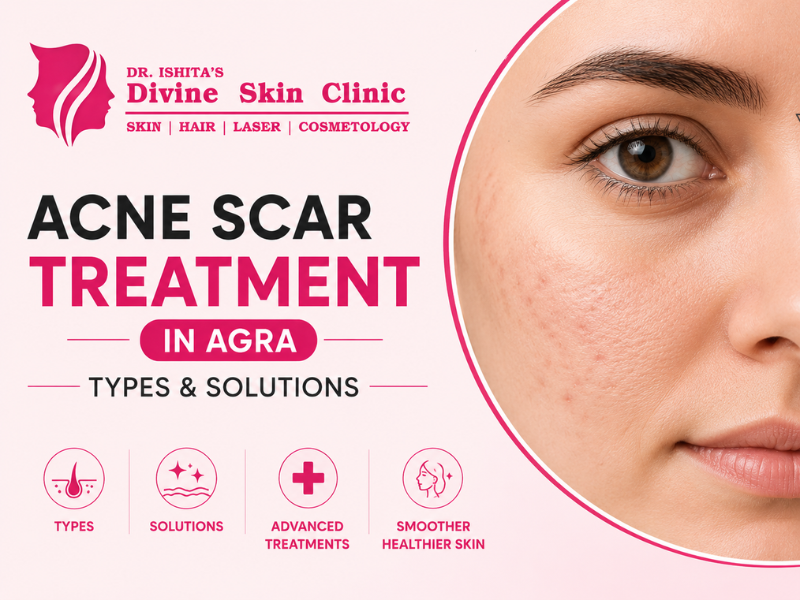
You can also read our guide on Acne Scar Treatment in Agra if your concern includes both pigmentation and acne-related scarring.
When Should You See a Dermatologist for Pigmentation?
Consider consulting a dermatologist if:
- Dark patches continue to increase.
- Pigmentation does not improve with basic skincare.
- You have recurring pigmentation after acne.
- Dark patches appear symmetrically on your face.
- You are unsure whether you have melasma or acne pigmentation.
- Over-the-counter products are causing irritation.
- You are considering chemical peels or laser treatment.
- Pigmentation is affecting your confidence.
A professional assessment can help identify the cause before you invest in treatments that may not be appropriate for your skin.
Frequently Asked Questions
1. What is the best treatment for pigmentation?
There is no single best treatment for every pigmentation condition. Depending on the cause, treatment may include sunscreen, topical medicines, chemical peels, microneedling, or selected laser and light-based procedures. A dermatologist can recommend an appropriate combination after examining the skin.
2. Can pigmentation be removed permanently?
Some types of pigmentation can fade significantly with appropriate treatment, but certain conditions, especially melasma, can return. Consistent sun protection and maintenance treatment may help reduce recurrence.
3. Can acne cause permanent dark spots?
Acne can cause post-inflammatory hyperpigmentation, which appears as darker areas after inflammation has healed. Many spots gradually fade, although deeper or persistent pigmentation can take considerably longer.
4. Is laser treatment safe for pigmentation?
Laser and light-based treatments may be appropriate for selected pigmentation conditions, but they are not suitable for everyone. Skin type, diagnosis, treatment settings, and the risk of additional pigmentation should be considered before treatment.
5. Does sunscreen help pigmentation?
Yes. Regular sun protection is an important part of pigmentation management because sunlight can stimulate pigment production and worsen existing dark spots. For melasma and pigmentation-prone skin, tinted sunscreen containing iron oxide may also help protect against visible light.
Pigmentation Treatment in Agra at Divine Skin Clinic
If you are looking for pigmentation treatment in Agra, the first step should be identifying what is causing the discoloration rather than choosing a procedure based only on online recommendations.
Divine Skin Clinic in Agra provides dermatology and aesthetic skin care, with pigmentation treatment focused on understanding the patient’s skin concern and selecting suitable treatment options. The clinic’s published information covers common pigmentation causes and professional treatment approaches.
Take the Next Step Towards More Even-Looking Skin
Persistent pigmentation can be frustrating, especially when creams and home remedies do not provide the improvement you expect.
Book a consultation at Divine Skin Clinic, Agra to have your pigmentation assessed and understand which treatment options may be suitable for your skin.
Explore Skin Pigmentation Treatment in Agra or visit Divine Skin Clinic to take the next step toward personalised skin care.



One thought on “Best Treatment for Pigmentation in Agra: Causes & Dermatologist Solutions”